
The baby aisle at any store reveals an overwhelming array of products marketed as essential for child development – educational toys, brain-boosting videos, enrichment apps, specialized equipment. Parents absorb messages suggesting that optimal development requires constant stimulation, structured activities, and the right purchases. But research on early childhood development tells a different story. Young children need surprisingly basic things to develop well – responsive relationships, safe exploration, play with peers, consistent routines, and language-rich interactions. Understanding what actually matters helps parents focus on providing what children genuinely need rather than chasing every product or program promising developmental advantages.
Responsive Relationships Form the Foundation
The single most important factor in healthy child development is responsive caregiving – adults who notice children’s signals, interpret them correctly, and respond appropriately. When a toddler points at something interesting and an adult follows their gaze, names what they see, and engages in brief conversation about it, that interaction builds connection and language simultaneously. When a preschooler shows frustration with a challenging task and an adult offers just enough help to let them succeed, that response builds both skills and confidence.
These responsive interactions happen thousands of times during early childhood. Individually they seem insignificant, but cumulatively they wire children’s brains for learning, shape their understanding of relationships, and build their sense of themselves as capable people. Children who experience consistent responsive caregiving develop secure attachments that affect their social and emotional functioning throughout life.
The opposite – unresponsive or unpredictable caregiving – creates difficulties that research links to numerous negative outcomes. Children who can’t rely on adults to notice and respond to their needs develop insecure attachments that affect future relationships. They may become overly clingy or excessively independent. Their stress response systems can become dysregulated in ways that create lifelong challenges.
Safe Exploration and Physical Activity
Young children are hardwired to explore their physical environment. This isn’t random activity – it’s how they learn about the world, develop motor skills, and build confidence in their physical capabilities. Toddlers need to climb, jump, balance, and test their bodies against their environment. Preschoolers need space to run, opportunities to manipulate objects, and chances to practice emerging physical skills.
This exploration requires physical safety but also emotional safety – children need freedom to take appropriate risks without adult panic over minor bumps and tumbles. Overprotective environments that prevent all risk actually hinder development by denying children chances to learn their capabilities and develop good judgment about physical challenges.
The modern tendency toward structured activities and screen time has reduced the amount of active play many children get. Yet physical activity isn’t just about fitness – it supports brain development, attention skills, emotional regulation, and learning. Children who move regularly throughout the day show better focus, fewer behavior problems, and stronger academic performance than those who are sedentary.
Play With Other Children
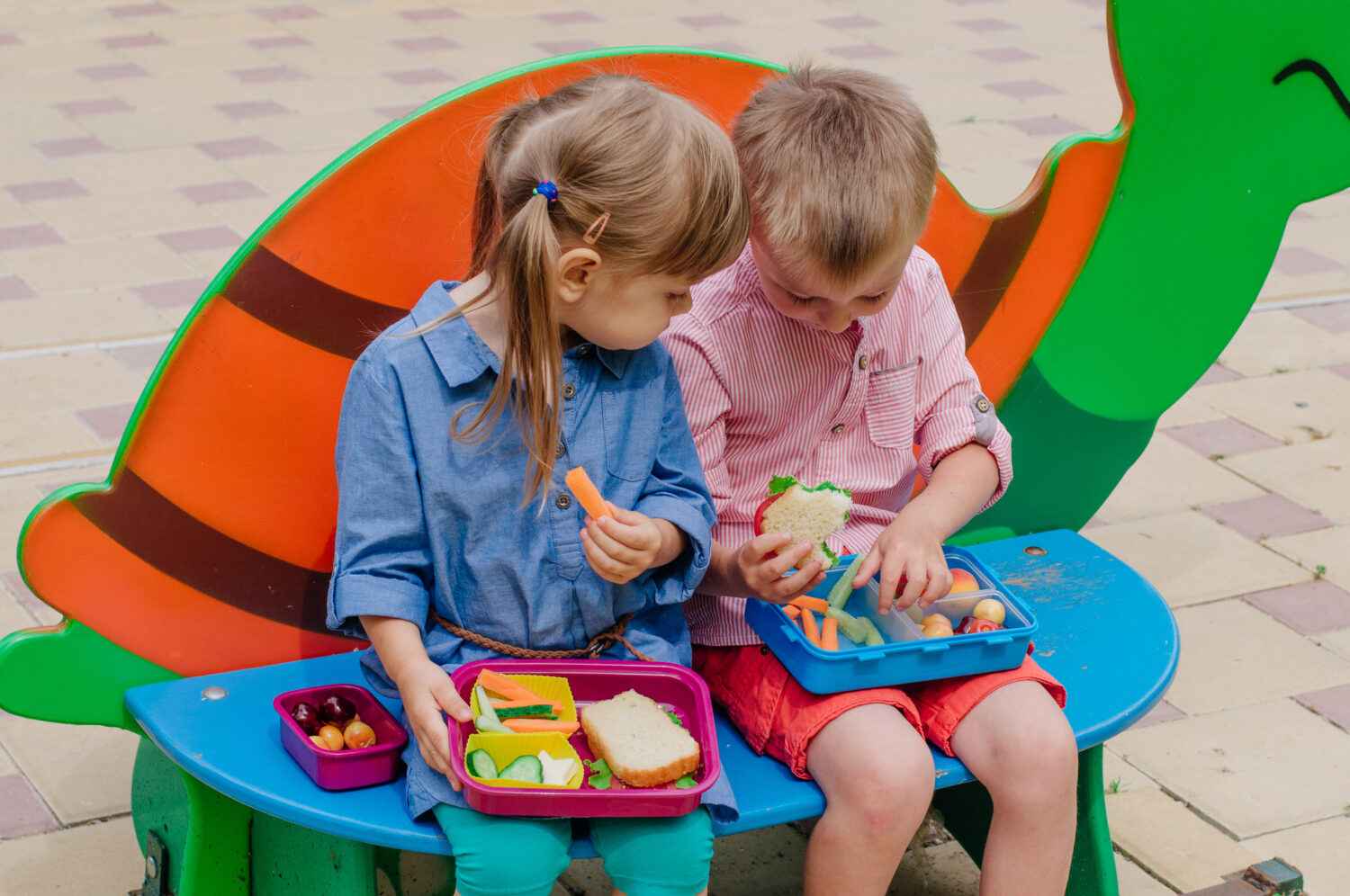
Peer play serves functions that adult-child interaction can’t replicate. When children play together, they negotiate roles, resolve conflicts, compromise, take turns, and navigate the complexities of friendship. These interactions teach social skills that form the foundation for all future relationships and group participation.
The messiness of peer play – the disagreements, the hurt feelings, the working through problems – is actually valuable rather than something to prevent. Children learn empathy by seeing peers upset. They develop conflict resolution skills by navigating disputes. They build friendship skills through the repeated experience of playing, disagreeing, and reconciling with the same children over time.
Structured playgroups or brief playground encounters provide some peer interaction, but sustained time with familiar peers offers deeper benefits. When children attend care environments offering opportunities for Childcare Albany families rely on for consistent peer groups, they develop ongoing relationships that support social and emotional learning in ways that sporadic peer contact doesn’t match.
Language-Rich Environments
Children’s language development depends heavily on the amount and quality of language they hear. The research on this is striking – by age three, children from language-rich environments have been exposed to tens of millions more words than children from language-poor environments. This word gap predicts vocabulary size, reading ability, and academic achievement years later.
But it’s not just quantity – conversational turns matter more than passive exposure. A child watching television hears many words but doesn’t experience the back-and-forth exchange that builds language. Conversations where adults listen to children, respond to what they say, and extend the topic create language learning that passive listening doesn’t provide.
Reading aloud provides concentrated language exposure in the context of relationships. The physical closeness, the shared attention, the conversations about the story, and the exposure to vocabulary beyond everyday speech all contribute to language and literacy development. Daily reading from infancy through early childhood predicts reading ability more strongly than most other factors parents control.
Predictable Routines and Consistent Expectations
Young children thrive with routines that create predictability in their days. Knowing what comes next reduces anxiety and helps children manage transitions. Consistent mealtimes, nap schedules, bedtime routines, and daily patterns provide structure that supports emotional regulation and security.
This doesn’t mean rigid schedules that allow no flexibility – it means general patterns that children can rely on. They know that after lunch comes quiet time, that bedtime follows the same sequence of bath, books, and songs, that weekday mornings involve getting dressed and going to care or school. These patterns help children feel secure and develop the time concepts that underlie later planning and organization skills.
Consistent expectations around behavior serve similar functions. When adults maintain consistent boundaries – kindness to others isn’t optional, hitting isn’t allowed, certain routines must be followed – children learn what’s expected and develop self-regulation skills. Inconsistent expectations where rules change based on adult mood or convenience actually make behavior more challenging because children can’t predict consequences or understand boundaries clearly.
Adequate Sleep and Nutrition
The basics matter more than parents sometimes realize. Young children need substantial sleep – toddlers typically require 11-14 hours per 24 hours, preschoolers need 10-13 hours. Sleep deprivation affects everything – mood, behavior, learning, physical health, and emotional regulation. Yet many young children get insufficient sleep due to late bedtimes, inadequate naps, or disrupted nighttime sleep.
Nutrition affects development beyond just physical growth. Brain development requires adequate calories and nutrients. Blood sugar fluctuations from poor eating patterns affect mood and behavior. Children eating primarily processed foods may meet calorie needs while lacking nutrients important for brain function.
This doesn’t require perfect nutrition – just regular meals with reasonable variety and limits on junk food. Children eating mostly whole foods with occasional treats, getting three meals and healthy snacks at predictable times, and drinking primarily water and milk rather than juice and soda are meeting nutritional needs adequately for healthy development.
What Children Don’t Actually Need
Understanding what matters helps identify what doesn’t. Children don’t need expensive toys – they play just as productively with cardboard boxes, household items, and simple materials. They don’t need constant adult entertainment – boredom prompts creativity and independent play. They don’t need educational apps or videos – screen time doesn’t build the skills that play and relationships develop.
They don’t need constant praise for ordinary activities or protection from all disappointment. They don’t require endless structured activities or premium educational programs. Many things marketed to anxious parents as developmental necessities actually provide little benefit or even interfere with the unstructured play and exploration children need.
Providing What Actually Matters
The good news is that what children truly need for healthy development is accessible to most families regardless of income. Responsive relationships, safe exploration, play opportunities, language exposure, routines, sleep, and adequate nutrition don’t require expensive purchases or elite programs. They require adult time, attention, and commitment to prioritizing children’s genuine needs over cultural pressures to provide everything marketed as beneficial.
Focusing on these fundamentals – rather than chasing every promised advantage – allows parents to support healthy development without the stress and expense of trying to provide everything the market suggests children need. The basics work because they’re what human development actually requires.
 mansi
mansi  neetu
neetu